
Hayasa Metals Inc.
TSXV: HAY | OTCQB: HAYAF | FSE: FR20
Hayasa Metals Inc. (TSXV: HAY; OTCQB: HAYAF) is a copper and gold exploration company focused on Armenia. Hayasa’s projects are the 100%-owned Urasar copper-gold project in the north and the Vardenis copper-gold project in central Armenia. Hayasa expects to be granted three additional exploration licenses in early 2027—including an Antimony project in the north. In September 2026, Hayasa signed a term sheet with a major mining company that is sole funding an exploration alliance in southern Armenia.
Stock Information

Recent News
Investor Presentation
Regulatory Filings
As a Canadian issuer, Hayasa Metals Inc. lists on the TSX Venture Exchange and files its continuous disclosure on SEDAR+. Its shares also trade in the United States on the OTCQB Venture Market.
Investment Highlights
Hayasa is advancing copper and gold exploration in Armenia on two properties: its Urasar and Vardenis projects, is expected to add three new license exploration licenses that are under application, and just signed a term sheet for a two-year exploration alliance in southern Armenia that a major mining company will fully fund. Assays are pending from the first deep holes drilled at Urasar and are expected early November.
Alliance With a Major Mining Company
A two-year Strategic Exploration Alliance with a major mining company, set out in a term sheet signed in September 2026, is to be funded solely by the partner and is aimed at finding a long-life copper porphyry in southern Armenia. Hayasa will act as manager and expects to sign the definitive agreement before year end.
Urasar Copper-Gold Project
Urasar is a 100%-owned 3,380-hectare permit in northern Armenia with a continuous soil anomaly running 14 km. Franco-Nevada and EMX Royalty paid US$1 million in January 2025 for a 1.25% royalty on future production. Hole UDD-021 returned 39 m of 0.50% copper and 0.18 g/t gold from 11 m, and assays are pending from two deeper 2026 holes.
Vardenis Porphyry System
The 93 km² Vardenis license in central Armenia covers a porphyry system with a 35 km² alteration footprint exposed at surface, 25 km from Lydian's 4.8-million-ounce Amulsar gold deposit. Drilling so far has tested about 4 km² in the northwest corner. After almost 5,000 m drilling, in September Teck Resources returned the license to Hayasa, who is seeking a new partner.
Three New Licenses in Application
Amasia, Hovo's Reward and Mount Stephanie are the three exploration licenses Hayasa has applied for, with approval expected early 2027. Amasia is an antimony-nickel prospect with five existing drill holes, Hovo's Reward a 2 km by 400 m gold-silver soil anomaly, and Mount Stephanie a copper-molybdenum system with copper minerals at surface.
Armenia's Mining Economy
Mining accounts for roughly 30% to 50% of Armenia's exports each year. The country has eight large active metal mines, including three porphyry copper-molybdenum mines, ranks among the world's top 10 molybdenum producers, and offers a modern Mining Law and Mining Code, an 18% corporate income tax rate and no limit on repatriating funds.
Experienced Board and Management
Chairman and President Dennis Moore, a geologist with more than 40 years of experience, discovered the 2-million-ounce Tocantinzinho gold mine and the Cuiú Cuiú gold deposit. CEO Joel Sutherland spent 20 years in capital markets, 10 of them on Wall Street, and the board includes Derek White, former President and CEO of KGHM International.
Digging Deeper
Precipio, Inc. (NASDAQ: PRPO) is a healthcare biotechnology company focused on cancer diagnostics, with particular concentration in hematologic malignancies (blood cancers). Founded in 2011 and headquartered at 4 Science Park in New Haven, Connecticut, the Company operates two complementary business divisions inside a single corporate structure. A Pathology Services Division provides specialized cancer diagnostic testing to physicians, hospitals, and reference laboratories. A Products Division develops and commercializes proprietary diagnostic assays for use by other clinical laboratories. The two divisions are operationally and financially intertwined: the clinical laboratory generates recurring service revenue, supplies the patient samples and clinical infrastructure that R&D depends on, and serves as an initial validation environment for new products.
Precipio's stated mission is to address the systemic problem of cancer misdiagnosis. Studies cited by the Company estimate blood cancer misdiagnosis rates may reach 25 to 40 percent, with downstream costs to the U.S. healthcare system estimated at $100 billion annually. The Company's response is to develop diagnostic products that aim to be more accurate, faster to deliver results, and more economical for laboratories to operate than the alternatives currently on the market.
Two product families anchor the current catalog. HemeScreen & Bloodhound are a suite of RT-PCR-based molecular diagnostic panels designed to address the workflow and economic limitations of single-gene assays and large next-generation sequencing panels. IV-Cell is a proprietary cell culture media that addresses a long-standing flaw in cytogenetics workflows by allowing simultaneous culture of all four blood cell lineages. All products were developed and refined inside Precipio's own clinical laboratory before commercial release.
Clinical operations are concentrated across two CLIA-certified laboratories, in New Haven, Connecticut and Omaha, Nebraska. From those facilities, Precipio's pathology services division currently delivers diagnostic blood cancer testing services to oncology clinicians in more than 20 states. Commercial distribution for the products division is supported by national channel partner agreements that reach physician-owned laboratories, hospital and academic medical centers, and reference labs.
The sections that follow examine the diagnostic problem Precipio is addressing, the integrated operating model that supports its product development, the products themselves, the addressable market, and the Company's financial performance and leadership team.
The clinical pressure on blood cancer diagnostics is most visible in acute myeloid leukemia (AML), one of the more aggressive forms of the disease. After a physician diagnoses AML, molecular testing is ordered to identify the specific genetic mutations driving the disease, because those mutations determine which targeted therapies will work. Standard turnaround time for those molecular results is 10 to 15 days. The physician then faces two options, neither of which is satisfactory. The first is to begin standard chemotherapy immediately, without waiting for results, which often eliminates targeted therapy options once those results arrive. The second is to wait 10 to 15 days, which puts the patient's life at risk because AML progresses quickly. A 4-hour rapid AML test that returns actionable molecular information on the same day as diagnosis would allow targeted therapy to begin on day one.
Beyond the AML example, the broader diagnostic accuracy and turnaround time challenges are well documented. Studies cited by the Company estimate blood cancer misdiagnosis rates may reach 25 to 40 percent, drawing on research published in the Journal of Clinical Oncology in 2007 and a 2014 American Society of Clinical Oncology review of second-opinion pathology results. Industry turnaround times for molecular testing typically run 10 days or more. The American Medical Association has estimated the cost of diagnostic errors at $100 billion annually within the U.S. healthcare system. For patients, the outcomes that follow misdiagnosis or delayed diagnosis include incorrect treatment, lost time, increased morbidity, and in some cases, mortality.
The structural reasons for the problem are economic as well as clinical. The diagnostic industry has historically competed on price and turnaround time, often at the expense of quality and accuracy. Tests that require expensive equipment, highly trained lab staff, and complex workflows are batched to control costs, which lengthens turnaround. Tests that interrogate a single gene at a time require multiple machines and reagent kits to address one disease workup, raising capital costs and slowing throughput. Tests that rely on broad next-generation sequencing panels can deliver hundreds of gene readouts but cost too much for routine reimbursement when only a handful of those genes are clinically necessary. The tools widely available to laboratories do not match what clinicians need.
Precipio's working premise is that this gap can be addressed by developing diagnostic products that are simpler to operate, faster to deliver results, and economically attractive to laboratories, while supporting improved diagnostic accuracy. The Company's two-division structure forms the operational foundation of that response.
Most diagnostic product companies fund their development through outside research facilities, contract labs, and external clinical validation programs. Precipio is structured differently. Management describes the Company's pathology laboratory as the first customer for every product Precipio develops. The lab operates as the in-house R&D environment, generating revenue from clinical services while supplying the patient samples, instrumentation, clinical workflows, and clinician feedback that product development depends on. Specimen access, often the most expensive and difficult input for diagnostic product companies, is built into the model.
The economics of this structure inform how the Company operates. Pathology services generate recurring revenue that the Company uses to support R&D activities and reduce reliance on dedicated external research funding. The same infrastructure that produces clinical reports also produces validation data, performance benchmarks, and use-case experience for new products. Precipio has cited its BCR-ABL1 assay as an illustration of what this approach enables: development time of three months, total development cost under $100,000, and a final product the Company describes as the most advanced assay of its kind in the market.
The Company highlights five operational dimensions where it believes its integrated approach differs from typical industry alternatives. Workflow on Precipio's products is simple rather than complex, which the Company describes as streamlining lab processes and reducing error rates. Required labor skill is low rather than high, which lowers labor cost and makes recruiting and training easier. Capital equipment requirements run under $25,000 per platform, compared with more than $1 million for many competing technologies. Gross margins on Precipio's products exceed 50 percent, compared with industry norms in the 10 to 15 percent range. Results delivery runs one to three days, compared with one to three weeks for typical alternatives.
The lab also informs which products to build. Because Precipio's clinical team works with the same diagnostic challenges that its customer labs face, the Company can prioritize product development around problems with demonstrated commercial demand. New scientific publications, evolving disease classification standards, and clinician feedback translate into development priorities on a near-continuous basis. Management has stated an intent to maintain a development cadence focused on first-to-market positioning for clinically relevant assays.
Two proprietary product platforms anchor the Products Division: HemeScreen & Bloodhound and IV-Cell. Each addresses a distinct laboratory problem, and each was developed and refined inside Precipio's own clinical laboratory before commercial release.
HemeScreen & Bloodhound are a suite of disease-specific molecular diagnostic panels designed to run on a single, low-cost platform: an RT-PCR machine (reverse transcription polymerase chain reaction, a widely available laboratory instrument that detects specific genetic sequences). RT-PCR equipment typically costs approximately $25K, compared with capital equipment costs that can exceed $1 million for many alternative platforms. Each HemeScreen or Bloodhound panel covers between four and seven genes, matching the standard clinical workup requirements set out in National Comprehensive Cancer Network (NCCN) and World Health Organization (WHO) guidelines for specific blood cancer disease states. The first panel addressed Myeloproliferative Neoplasms (MPN). Subsequent panels have been added for Acute Myeloid Leukemia, Chronic Lymphocytic Leukemia, Cytopenia, and Chronic Myelogenous Leukemia (BCR-ABL).
During 2024, Precipio released BCR-ABL1 and Bloodhound MPN assays. These provide lower limits of detection than the original HemeScreen panels and produce quantitative results. Both were released alongside complementary analysis software (BHAS, the Bloodhound Analysis Software) designed to streamline data review and reduce technician time per case. Customers using HemeScreen and Bloodhound have reduced test turnaround time from approximately two weeks to two days and have improved the financial economics of their molecular testing programs.
IV-Cell is a proprietary cell culture media that addresses a workflow flaw specific to cytogenetic testing. When a bone marrow or peripheral blood sample arrives at a cytogenetics lab, the lab must immediately culture the cells before further analysis can proceed. Cytogenetic workflows allow for the culturing of only one of four hematopoietic cell lineages at a time: myeloid cells, B-cell, T-cell, or plasma cells. Existing commercial products require the lab to choose a single lineage at the start of the process, typically based on the oncologist's clinical suspicion. If that suspicion is wrong, the lab cultures the wrong cell type and can produce a false negative result. Precipio's internal data indicate this occurs in approximately 40 percent of patient cases.
IV-Cell is a universal cell culture media that allows the lab to culture all four cell lineages simultaneously, so the lab does not need to commit to a single lineage at the start. IV-Cell was validated inside Precipio's laboratory against existing commercial reagents and has been used on more than 1,000 clinical specimens. The media has demonstrated superior performance compared to the prior standard. IV-Cell is produced under a direct supply contract with a third-party manufacturer.
Precipio holds pending U.S. and European patent applications covering its proprietary panels. The product pipeline continues to expand around the same core platforms, with new assay panels and refinements developed against the same clinical workflows that produced HemeScreen, Bloodhound and IV-Cell.
The next section examines the addressable markets that the technology platform serves today and the segments management has identified as potential expansion areas.
The Company describes its addressable market in three stages, with each stage corresponding to a different segment of the molecular diagnostics market.
The current market is blood cancer genetics, which Precipio sizes at approximately $500 million in total addressable market as of 2025, drawing on a June 2023 report from Transparency Market Research on onco-hematology molecular testing.
The Company's market sizing framework identifies a near-term tier covering broader cancer genetics, where blood cancers represent approximately 20 percent of a total cancer genetics market estimated at $6.7 billion by 2027. A third tier covers molecular diagnostics overall, with a total addressable market estimated at $43 billion by 2030, drawing on the BioSpace Molecular Diagnostic Market Size Report from August 2024. In that third tier, blood cancers represent approximately 2.5 percent of the total, other cancers approximately 10 percent, and broader molecular diagnostics approximately 87 percent.
Independent industry estimates point to comparable scale across the broader oncology and diagnostics product markets. The oncology total addressable market is estimated to exceed $116 billion by 2034, with a compound annual growth rate above 5 percent. The diagnostics product market is estimated at more than $56 billion in annual revenues by 2030. The Company has indicated its intention to pursue international expansion following successful U.S. deployment, in markets where the same product opportunities exist.
Distribution is built around national channel partner agreements that give Precipio nationwide reach without a large internal sales force. Three customer categories receive the Company's products and services: physician-owned laboratories (POLs, which are independent commercial labs operated by or affiliated with physician groups), hospital and academic medical center laboratories, and reference laboratories. From its New Haven facility, Precipio currently provides diagnostic services to oncology clinicians.
Management has indicated that Products Division revenue carries higher gross margins than pathology services revenue. Growing the products business is one of the Company's stated strategic priorities, alongside continued gross margin improvement and positive operating cash flow.
Blood cancer molecular testing in the United States sits between two extremes, and Precipio's HemeScreen & Bloodhound platform is positioned in the gap between them.
At one end of the spectrum are single-gene assays. Established diagnostic reagent makers, including Qiagen, BioRad, Ipsogen, Cepheid, Asuragen, Abbott, and Entrogen, supply assays that test for mutations in one gene at a time. As an example, the JAK2 gene used in evaluating myeloproliferative neoplasms has multiple competing single-gene products. A laboratory that wants to address a typical disease workup requiring five to ten genes per disease state must purchase multiple machines, multiple reagent kits, and operate multiple parallel workflows. Capital costs can exceed $1 million per workflow, and the resulting complexity creates batching pressure that lengthens turnaround time.
At the other end are next-generation sequencing (NGS) panels, supplied by companies including Illumina, Life Technologies, Roche, Natera, PerkinElmer, BioRad, and Qiagen. NGS panels can test for tens to hundreds of genes in a single run. The technology is robust but expensive to operate, requires a high level of staff sophistication, and runs into reimbursement difficulty. Payors are reluctant to cover broad panels of 50 to 500 genes when clinical guidelines call for testing only five to ten.
HemeScreen & Bloodhound panels split the difference. Each panel covers four to seven genes, matching the clinical guideline workup for a given disease state. All panels run on a single, low-cost RT-PCR machine. Operation can be performed by laboratory technicians with limited training. Reimbursement aligns with clinical necessity rather than panel breadth.
In the pathology services business, Precipio's principal direct competitors are NeoGenomics Laboratories, GenPath Diagnostics, and Inform Diagnostics, all of which offer specialty oncology pathology services. Broader commercial competitors include LabCorp (NYSE: LH) and Quest Diagnostics (NYSE: DGX), which run wide-ranging diagnostic services that include oncology. In the liquid biopsy segment, Foundation Medicine and Guardant Health are the principal competitors.
For IV-Cell, the Company's universal cell culture media is, based on publicly available information, the only product of its kind that combines a base culture media with all required mitogens (cell-stimulating agents) for the four hematopoietic lineages. Competitors including Gibco, Irvine Scientific, Capricorn Scientific, Sigma-Aldrich, and Euroclone offer a base media plus separately purchased mitogens, requiring the lab to mix products and commit to a single lineage at the start of the workflow. Many of Precipio's competitors are substantially larger and have greater financial and operational resources for product development, regulatory work, and commercial deployment.
For the year ended December 31, 2025, Precipio reported net sales of approximately $24.0 million, representing growth of approximately 30 percent over the prior year. Gross margin for the full year was approximately 45 percent, reflecting expansion from prior periods. In the fourth quarter of 2025, the Company reported cash flow positive operations, a milestone in Precipio's transition from a development-stage operation into a commercial-scale diagnostics platform.
Year-over-year growth carried into 2026. For the quarter ended March 31, 2026, the Company reported revenue of $6.71 million, an increase of approximately 36 percent over the same quarter of the prior year. Pathology services revenue continued to lead the mix at $6.05 million for the quarter. Cash flow from operations remained positive.
Management's stated strategic priorities are to expand the proprietary diagnostic product business through partnerships, distribution channels, and broader laboratory adoption; maintain and grow the pathology services operation; pursue regulatory clearances and reimbursement coverage where applicable; and improve laboratory and manufacturing efficiencies.
Ilan Danieli serves as Chief Executive Officer of Precipio. Mr. Danieli has led the Company through the development and refinement of its integrated pathology-and-products operating model and is responsible for commercial, operational, and capital strategy. He represents Precipio in quarterly shareholder calls and in the Company's investor communications.
Dr. Ayman Mohamed is the Company's Chief Technology Officer. Dr. Mohamed leads the technology development and assay engineering teams responsible for HemeScreen, IV-Cell, and the Bloodhound molecular assay platform, including the BHAS analysis software released alongside the BCR-ABL1 and Bloodhound MPN assays.
Zaki Sabet serves as Chief Operating Officer. Mr. Sabet has responsibility for all operations across the Company's two CLIA-certified facilities in New Haven, Connecticut and Omaha, Nebraska, as well as manufacturing oversight of the Products Division.
Stephen Miller serves as Chief Commercial Officer. Mr. Miller leads commercial strategy and customer acquisition across the pathology services and products businesses, and is responsible for building out the Company's product business development team.
Miri Radomski serves as Chief People Officer and Legal Counsel. Ms. Radomski oversees human capital, legal, and corporate governance functions, including laboratory accreditations and compliance programs that govern the Company's CLIA-certified operations.
Matt Gage serves as Chief Financial Officer. Mr. Gage manages financial reporting, capital allocation, and investor communications, including the quarterly results disclosures and shareholder calls in which the Company provides additional context on its operating performance.
This communication is neither an offer to sell nor a solicitation of an offer to buy, nor a recommendation of any securities of the company mentioned herein.
Precipio, Inc. (the “Company”) and its counsel have reviewed the content of this page as well as the accompanying presentation (“Company Presentation”) displayed on this page. To the best of its knowledge, the Company does not believe this content to be misleading or inaccurate in any material respect, nor does it believe there are any material omissions with respect to such content. The Company does not believe the contents of the page or the Company Presentation to contain any non-public material information.
Information and opinions presented in the Company Presentation are provided by the Company, and B2i Digital makes no representation as to their accuracy or completeness. The information contained on this page is not intended to constitute any form of advice, and the information provided is not intended to provide a sufficient basis on which to make an investment decision. It is not investment research, nor does it constitute a research recommendation, as it does not constitute substantive research or analysis. This information is not to be relied upon in substitution for the exercise of independent judgment.
Information, opinions and estimates contained on this page or in the Company Presentation reflect judgments by the Company as of the original date of publication by the Company and are subject to change without notice. Past performance should not be taken as an indication or guarantee of future performance, and no representation or warranty, express or implied is made regarding future performance.
A complete description of the risks and uncertainties relating to the Company and its securities can be found in the company's filings with the U.S. Securities and Exchange Commission available for free at www.sec.gov.
Information on this page may relate to penny stocks, which may also be referred to as low-priced stocks. Penny stocks are low-priced shares typically issued by small companies. Penny stocks involve greater than normal risk, they may be less liquid than other stocks (i.e., more difficult to sell), and there may be less reliable information available regarding such stocks. Investors in penny stocks should be prepared for the possibility that they may lose their entire investment.
B2i Digital or its related entities may own securities of the Company. To comply with Rule 17(b) of the Securities Act of 1933, as amended, B2i Digital must provide full disclosure of all compensation received for investor awareness services provided by the Company.
The Company is a client of B2i Digital. The Company agreed to pay B2i Digital no greater than $100,000 in cash for 12 months of digital marketing consulting and investor awareness services.


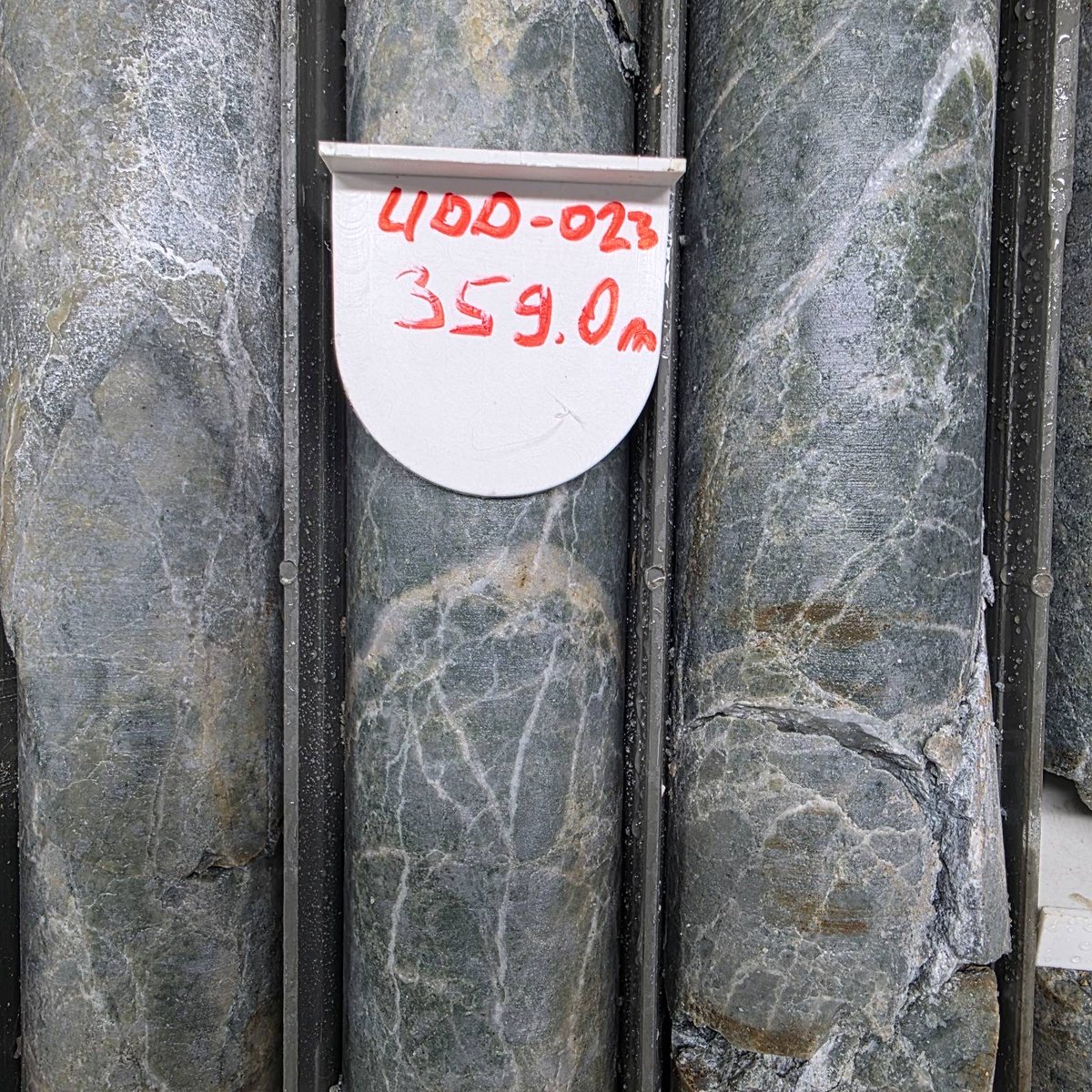
So the bottom of the hole UDD-023 is looking pretty good. Here are some pics from 350m to 375m. Tomorrow I will post up 375m to 400m and we ended up going a little past our goal of 400m.
The goal was to pierce an anomaly and we reckon it ended at around 400m, https://t.co/2TCFlXRONx

Nearing the end of a three weeker in CHF, GER, Armenia and Georgia. Am quite bullish on mining in Armenia and prospects of Hayasa Metals--will try to explain why in post 2/2 after updating you on what we have been up to with Euro https://t.co/B1QiCnrbMd
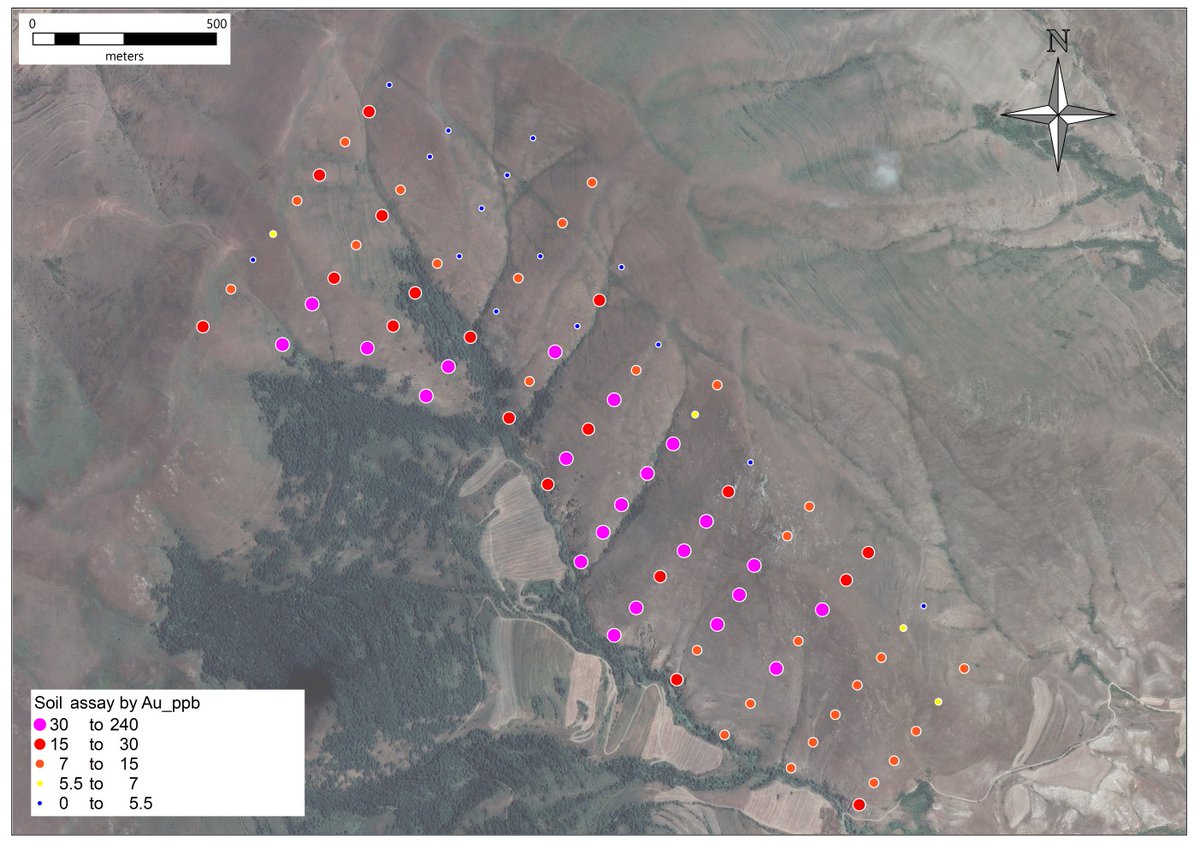
Prospect Update
Hayasa’s goal is to add three properties this year before the staking rush starts in 2027. This will put us in control of five individual mineral properties.
Staking ground in Armenia is time consuming and https://t.co/JdGve2NQNH
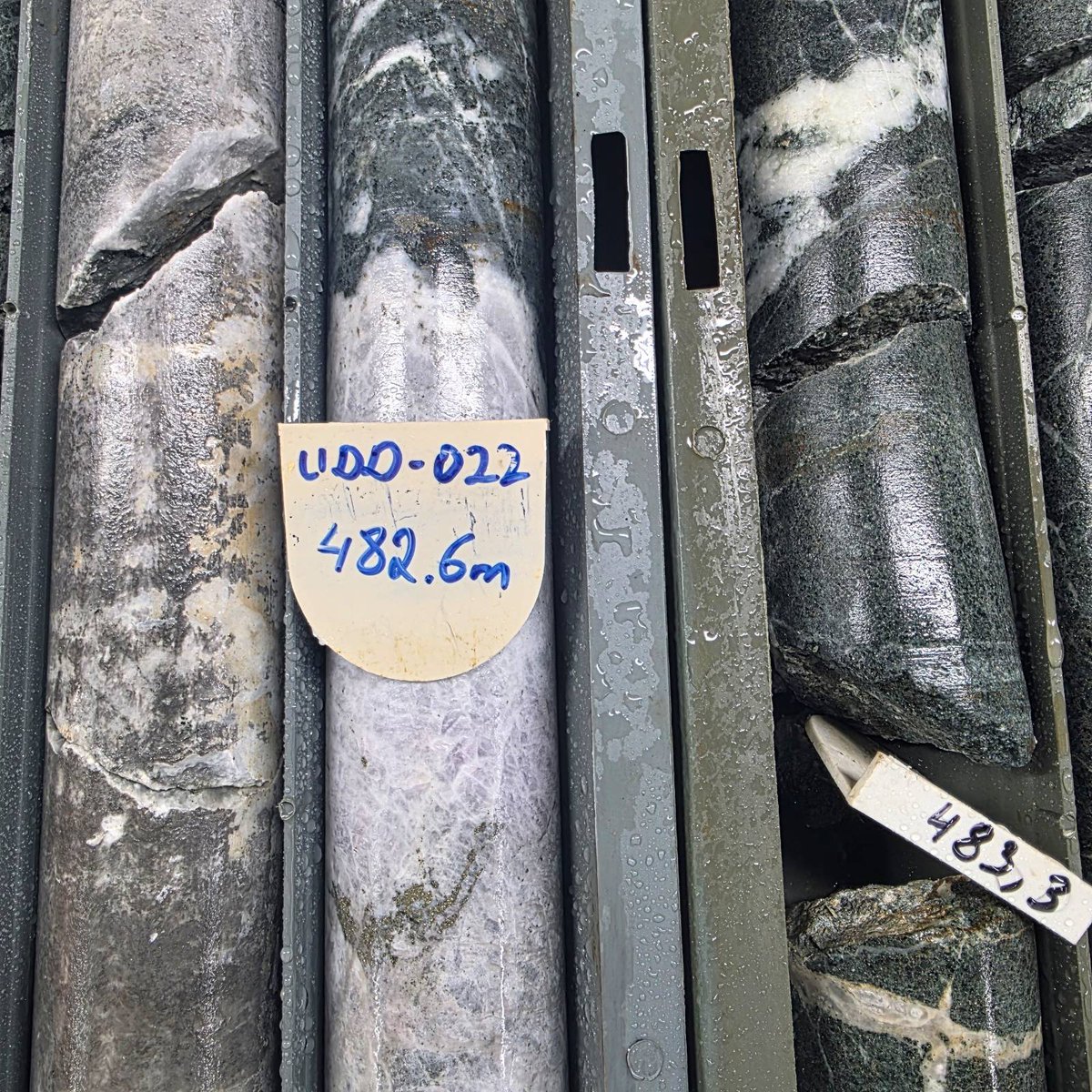
Select Core photos from UDD-022: 480m to 490m
The decision to extend the hole past 500m was based on observing intrusive diorite, locally brecciated, cut by abundant quartz–anhydrite veins and veinlets. Pyrite mineralization is https://t.co/TR0kjOPdeu

Kicking off a four day investor roadshow in Zurich (we fly on red eye to save hotel room $$)
Full room at the Zunfthaus zur Zimmerleuten. Many thanks to Marcus Moser and Wolfram Boehm for getting a great lunch crowd together. Many stayed longer and our https://t.co/w2k06bgs1Z
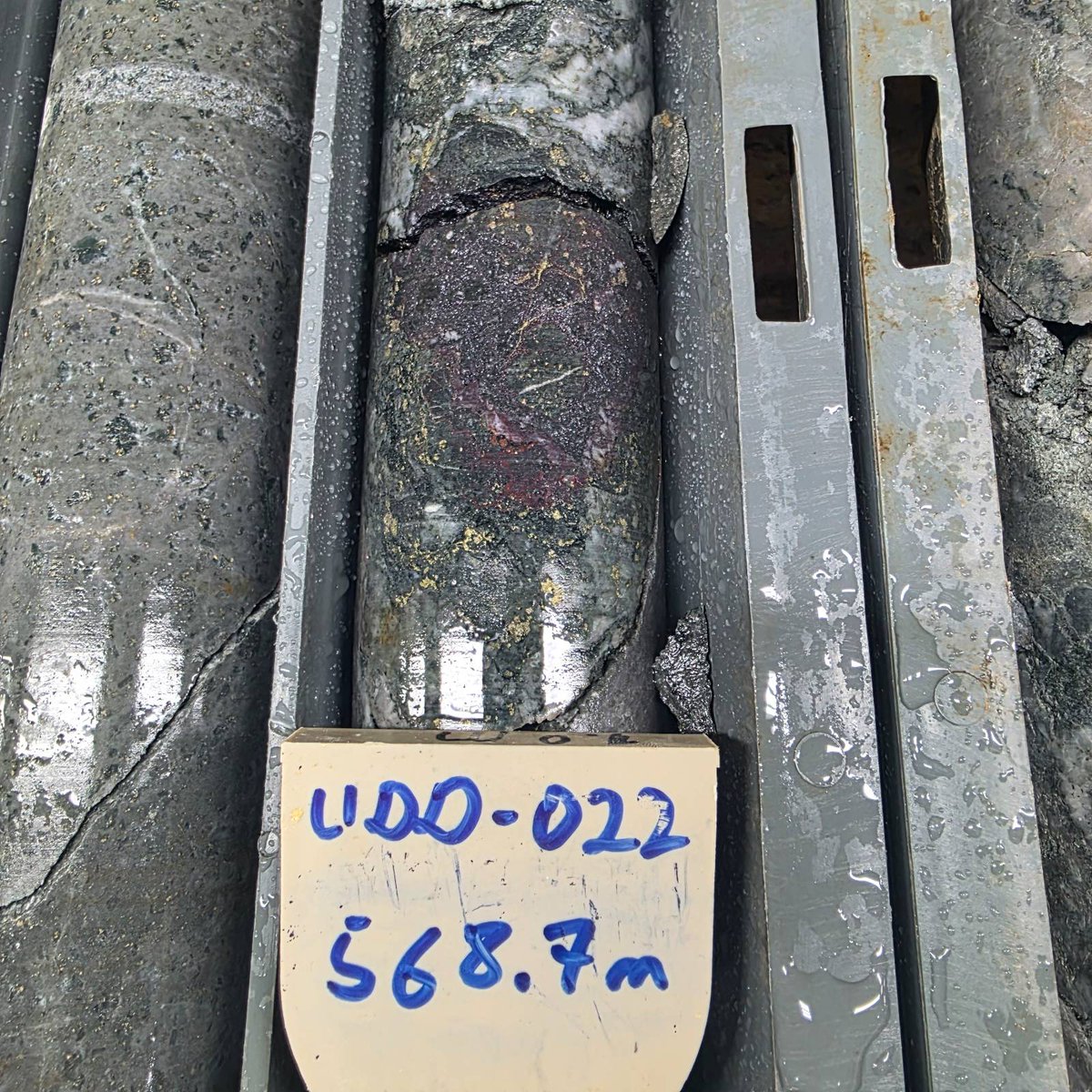
UDD-022 end of hole core pics
We had originally planned to get to at least 500m, to pierce the anomaly identified in the 2026 6 line AMT survey. We called the hole at 622m (there is only so deep you can go),
We saw intense veining on our way to the bottom and https://t.co/dfrEybZqeA

Important Resources
Including an At A Glance PDF, a document tailored to those who just want quick and summarized information.
A Highly Experienced Team Leads Hayasa Metals Inc.
Hayasa's directors and advisers bring experience spanning mineral discovery, porphyry and epithermal exploration in Armenia and Latin America, mining company law and governance, capital markets, and public company finance.
Complete the form below to receive Hayasa Metals news and investor updates as the company advances its exploration programs in Armenia.
Note: The company can only disclose information that is shared in the public domain through news releases, SEDAR+ filings and other public forums. As securities law and industry regulations require, such information will always be shared with all investors simultaneously.